
Four Common Punctuation Errors in Academic Essays
This article discusses four common punctuation errors in academic essays. To give you an opportunity to practice proofreading, we have left a few spelling, punctuation, or grammatical errors in the text. See if you can spot them! If you spot the errors correctly, you will be entitled to a 10% discount.
Imagine a text written without the periods, commas, and colons. It would certainly be difficult to read. In academic writing, an author may be easily misunderstood when ambiguous sentences are used. Punctuation marks mainly serve the purpose to disambiguate sentences. For example, the mere omission of a comma in a sentence can communicate an interpretation different from the author’s intended message. This is the reason why an editor or proofreader intently looks out for punctuation errors when editing or proofreading academic essays. Inasmuch as the essence of punctuation marks in writing, especially academic essays, cannot be overemphasized, the appropriate use of these punctuation marks is even more critical. Due to the similarity among the punctuation marks in English writing, many tend to use some punctuation marks interchangeably.
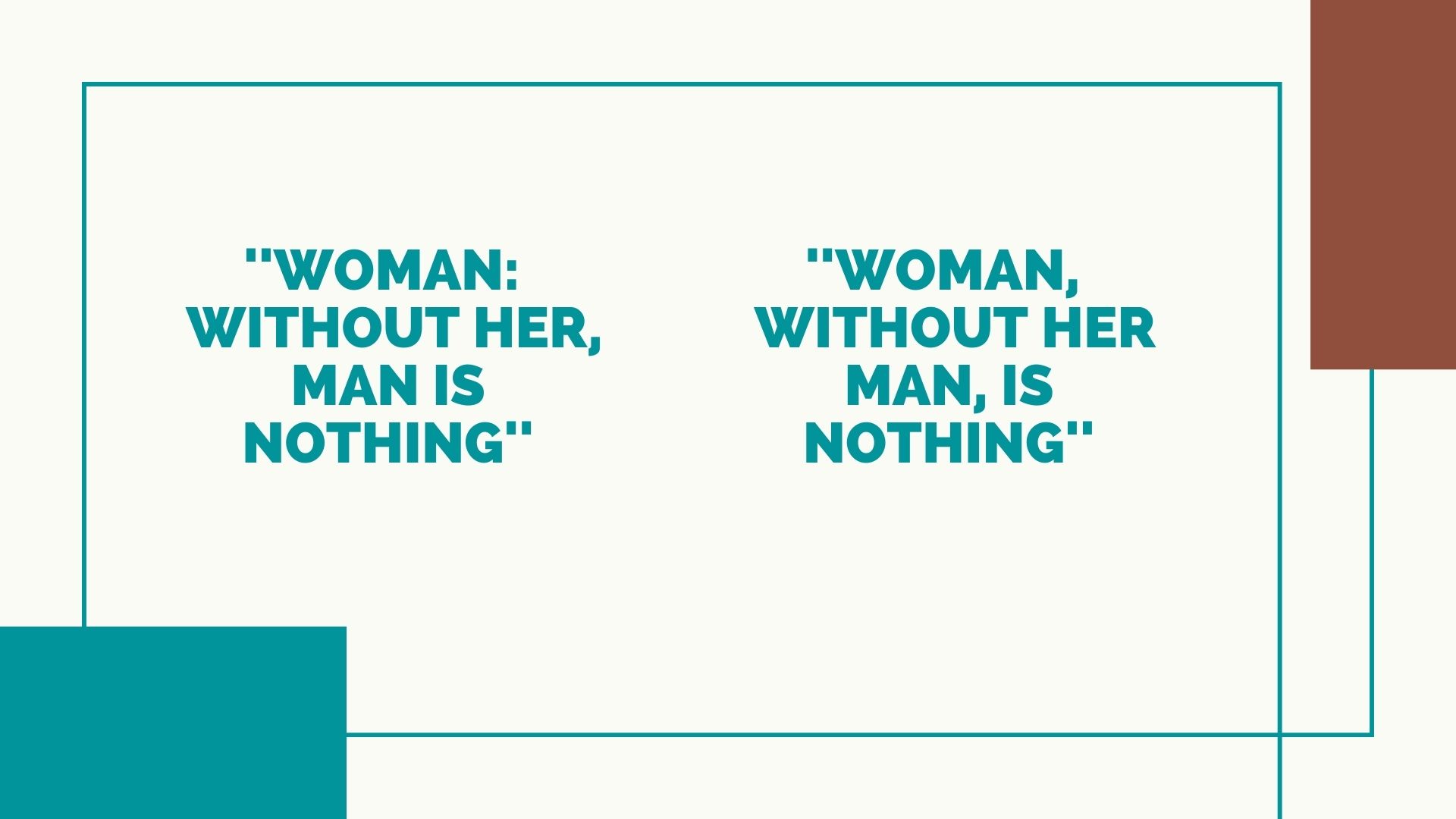
Below, find four of such punctuation errors that editors and proofreaders usually encounter when editing or proofreading academic essays and manuscripts.
1. The punctuation errors of using colon (:) and semi-colon (;)
These two punctuation marks are similar; they are both combinations of the period sign and comma. In using these punctuation marks, the type of language, whether American or British English, should be considered. However, apart from the subtleties based on language, the colon sign mostly follows a complete sentence before introducing a list of items, an explanation, or a quotation. The semi-colon joins two independent clauses, when the second clause elaborates the first. In most cases, when these punctuation marks are used erroneously, the semi-colon is used to precede a list of items. For example:
-
Incorrect: She bought the following items; grocery and stationery.
This is a punctuation error because the phrase after the semi-colon is not an independent clause. Rather, the appropriate use should be:
-
Correct: She bought the following items: grocery and stationery.
One of the tricky problems many authors deal with when it comes to colons is whether or not to capitalize the word following the colon. As with so many things in the English language, capitalization with colons can be a complex issue, and many times, it’s more of a style issue than one of correctness. For instance, according to APA Style, the first word after the colon is capitalized only if it begins a complete sentence.
In British English variant, the first letter after a colon is capitalized when it is a proper noun or an acronym; in American English variant, the first word after a colon is sometimes capitalized when it begins a complete sentence.
2. The punctuation errors of using single quotes (‘ ’) and double quotes (“ ”)
Using quotation marks is probably the most debated among all punctuation marks. The usage of single or double quotes is predominantly dependent on the preferred type of English in your text. For American English, double quotes are used consistently for all conditions where quotation marks may be needed, whereas British English prefers single quotes. Therefore, the author should be conscious of about the language to make the correct usage of both symbols.
In American English, single quotation marks should be used to enclose a quotation within a quotation and inside quotation marks should be used to place periods and commas.
In British English, single quotation marks should be used to enclose a quotation and double quotation marks should be used to enclose a quotation within a quotation. Also, outside quotation marks are used to place periods and commas.
-
American English: He said softly, “I have a headache.”
-
British English: He said softly, ‘I have a headache’.
-
American English: Many dream images were characterized as “raw,” “powerful,” and “evocative.”
-
British English: Many dream images were characterized as ‘raw’, ‘powerful’, and ‘evocative’.
Did you notice the quotation marks and position of the period in both sentences?
3. The punctuation errors of using hyphens (-) and en dashes (–)
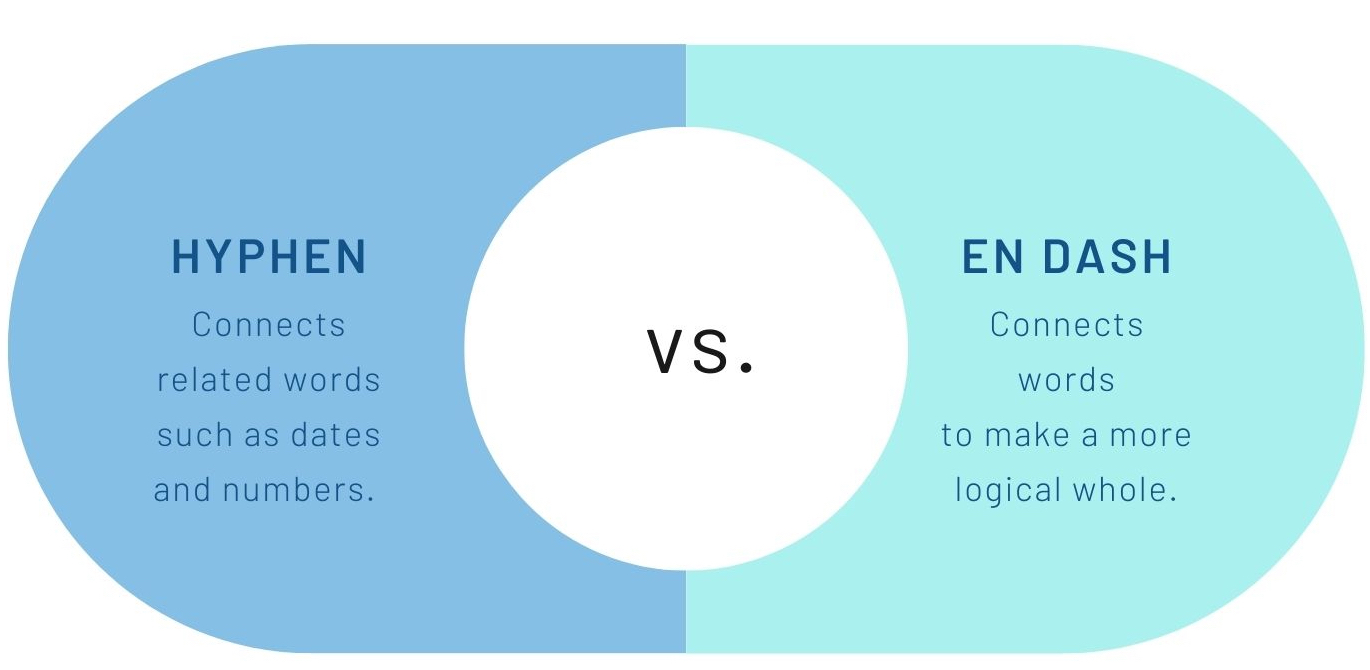
These two punctuation marks seem to be the same, but a closer look at them reveals that they differ by length. Hyphens are shorter than en dashes (width of an N). This difference is also implied in their usage, and thus they cannot be used interchangeably. Hyphens join related words (e.g., wide-eyed), whereas en dashes indicate ranges. The most encountered punctuation error relating to the use of both punctuation marks in academic writing is the use of a hyphen to replace the en dash in writing ranges between numbers, days, or months. For example:
-
Incorrect: 95% CI= 0.5234-1.7232; Monday-Friday
-
Correct: 95% CI = 0.5234 – 1.7232; Monday – Friday
To insert an en dash, hold the Ctrl key and press the minus key on the numbers keypad. In Microsoft Word, the hyphen automatically changes to en dash, if spaces are inserted between the items being indicated in the range.
4. The punctuation errors of using comma (,) and semi-colon (;)
One of the common punctuation errors in academic writing is the confusion in the use of commas and semi-colons. A comma separates items in a list but does not distinguish two independent sentences from each other. For example:
-
Smith had never ridden on the back of a camel, he tried out of curiosity.
A semi-colon is the correct punctuation mark to use in place of the comma because both clauses are independent, with the second clause providing an explanation for the first. A comma is only appropriate in this instance if a conjunction follows the comma. In which case, there would not be a need for a semi-colon.
-
Correct: Smith had never ridden on the back of a camel; he tried out of curiosity.
OR
-
Correct: Smith had never ridden on the back of a camel, so he tried out of curiosity.
The usage of punctuation marks differs mostly on the premise of whether the text is written in British or American English. Generally, the aforementioned punctuation errors are very glaring in a text and should be avoided as much as possible. These errors, as have been discussed, are not exhaustive. Therefore, professionals at Best Edit & Proof may be more adept at picking out similar errors that are usually overlooked.
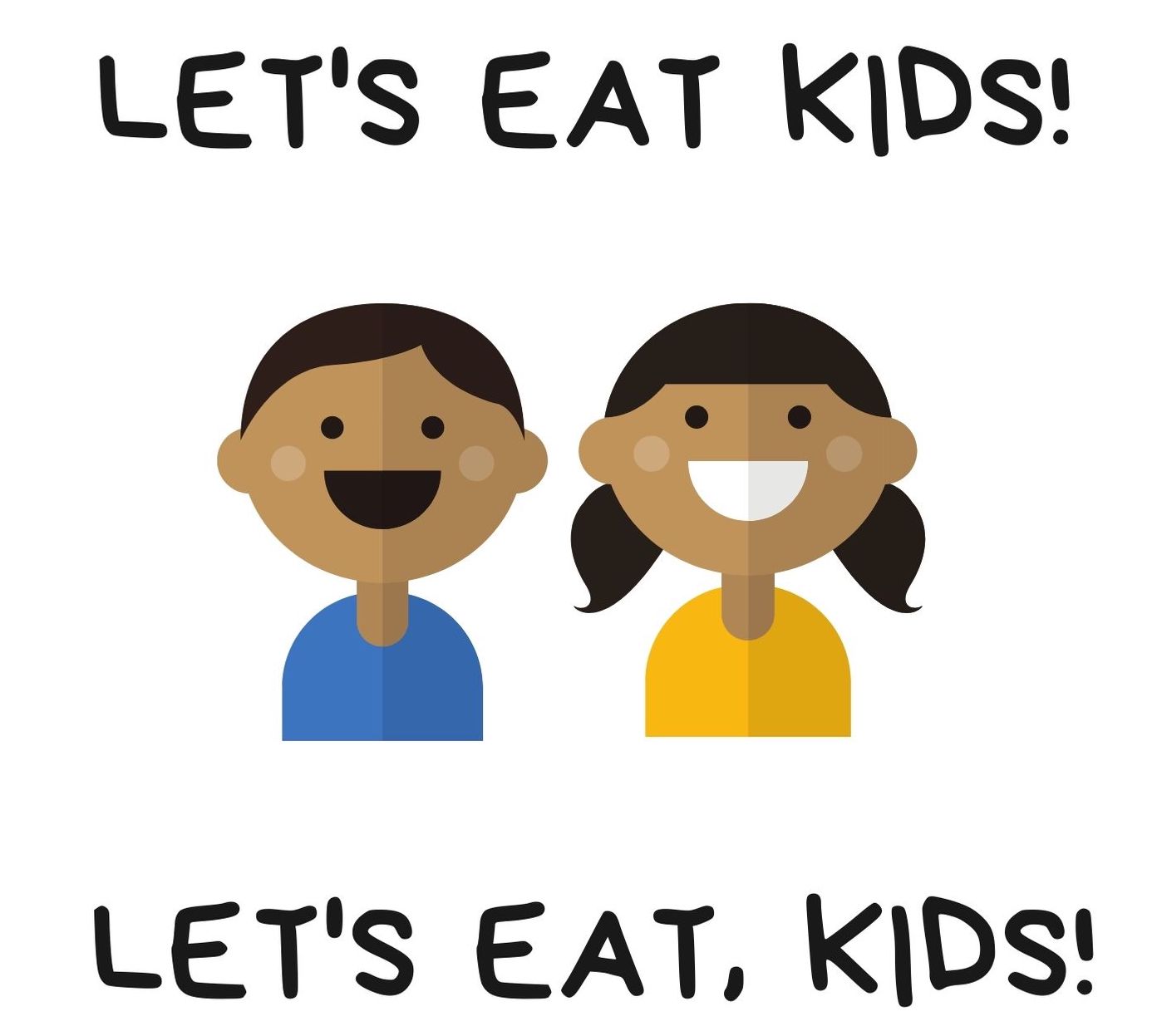
In academic writing, an author may be easily misunderstood when ambiguous sentences are used. Punctuation marks mainly serve the purpose to disambiguate sentences.
If you need help, then contact us!
Best Edit & Proof expert editors aim to provide your manuscripts with proper scholarly and academic tone and style. They will significantly improve the chances of your having your research manuscript accepted for publishing. They provide subject-area proofreading and editing services in several fields categorized under various disciplines. With our extensive knowledge and expertise, we will help you find the right tone and style for your manuscript.
If you need our subject-area editors to format your manuscripts, giving you the fundamental rules for formatting your manuscripts as described in your guidelines, such as APA, MLA, or Chicago/Turabian styles, then contact us. At Best Edit & Proof, our proofreaders and editors edit every type of academic paper. We have a user-friendly website and a simplified ordering process.
If you would like our subject-area editors and language experts to work on your project for the improvement of its academic tone and style, then please visit the order page. It's easy! It takes only a few minutes to submit your manuscript and to complete the process. Click here to see how it works.

We have flat-rate pricing based on our type of service (editing or proofreading), word count, and turnaround time. Enter your word count or copy and paste your document into our pricing calculator to get an instant quote.
24/7 customer support | Live support
If you need support for editing and proofreading services, contact us. You can also e-mail us or use the 24/7 live chat module to get direct support. We have a 24/7 active live chat mode to offer you direct support along with qualified editors to refine and furbish your manuscript. Alternatively, you can text us through our WhatsApp business line.
Stay tuned for updated information about editing and proofreading services!
Follow us on Twitter, LinkedIn, Facebook, Instagram, and Medium.
For more posts, click here.
Categories
- APA Style
- Editing & Proofreading
- Citation Styles
- Grammar Rules
- Academic Writing
- Formatting
- Plagiarism
- Editing
- Proofreading
- Microsoft Tools
- Academic Publishing
- MLA Style
- Dissertation & Thesis
- Researching
- Job & Research Application
- Statistics
- Academic Tools & Resources
Similar Posts
-
How to Determine Variability in a Dataset
14.10.2023
-
How to Determine Central Tendency
19.02.2023
-
How to Specify Study Variables in Research Papers?
14.01.2023
-
Population vs Sample | Sampling Methods for a Dissertation
14.01.2023
-
How to Ensure the Quality of Academic Writing in a Thesis and Dissertation?
04.12.2022
-
How to Avoid Anthropomorphism in Your Dissertation?
04.11.2022
-
How to Write a Research Methodology Section for a Dissertation and Thesis
07.08.2022
-
How to Write a Theoretical Framework for a Dissertation and Thesis?
05.08.2022
-
How to Write Literature Review for a Dissertation and Thesis
02.08.2022
-
How to Write a Dissertation and Thesis Introduction
31.07.2022
Recent Posts
-
How to Write an Abstract for a Qualitative Research Paper
18.05.2026
-
Abstract Keywords: How to Choose Them for Maximum Discoverability
18.05.2026
-
How to Write a Cover Letter for Journal Submission
18.05.2026
-
Cover Letter Mistakes to Avoid in Academic Applications
18.05.2026
-
Writing an Abstract in English as a Non-Native Speaker
15.05.2026
They Also Read

November 26, 2020
Academic writing is a particular type of nonfiction writing, which is used in various academic works, such as reports of university research, proposals of new theories by the researchers, or papers released by scholars analyzing the culture of their fields. This article provides nine practical tips for academic writing that a writer must remember to improve his/her writing style.
Continue Reading
November 26, 2020
The successful manuscript submission can benefit in accelerating quick publication, the promulgation of your findings, and avoiding the chances of scooping. Plus, it provides a quicker return for you to start working on your next study. This article will guide you through 11 tips for successful manuscript submission.
Continue Reading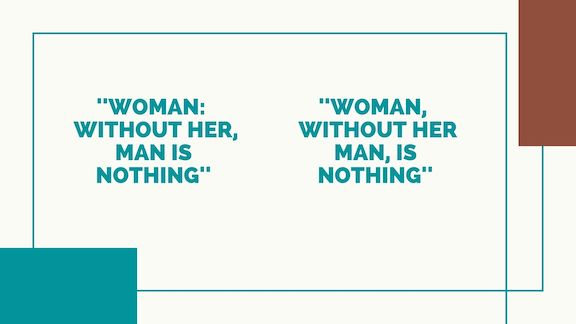
November 26, 2020
Being proficient in grammar takes years of practice and needs deep knowledge. Yet, you will still end up making grammatical mistakes, and that is understandable. However, when we are talking about academic writing, you need to be exceptionally careful that you do not end up making such mistakes. This article gives you 10 common grammatical mistakes in academic writing. If you are someone who tends to make such mistakes frequently, this article will be able to help you pinpoint those mistakes and fix them.
Continue Reading
November 26, 2020
Academic writing is one of the most systematic writing formats to exist. This type of writing requires you to have precise knowledge about writing formats, style guides and still has additional rules to follow, depending on your type of work. Though it is not something otherworldly and is very much attainable through practice, it can still be a chaotic mess for beginners. A good way to improve yourself is to familiarize yourself with the language rules. In this article, we will take a look at the most important language rules that you must know of and exercise eventually.
Continue Reading
November 26, 2020
Some might say that the only difference between academic and business writing is the fact that the former is practiced by scholars while the latter by professionals. However, when perused closely, one can discern some stark as well as nuanced demarcation between the two. For individuals, such as college graduates, who need to occasionally shift between academic writing and business writing, knowing these differences can help them format their respective documents appropriately.
Continue Reading
November 26, 2020
While researching a group of people, collecting data from every person in that group is virtually impossible. To counter this issue, you choose a sample. What is the difference between population and sample? What sampling methods should you use in your dissertation?
Continue Reading
November 26, 2020
Learn how non-native English speakers can write clear, compelling abstracts for academic papers with practical tips, common pitfalls, and expert tools.
Continue Reading