
How to Write a Research Proposal: 4 Essential Tips
Academic research is a meticulous and systematic process requiring years' worth of focused perusal and analysis. But, before embarking on a research process, researchers should submit a document mentioning the purpose and the requisites of the research. Called a research proposal, this document carries the onus of securing funding and institutional approval for the proposed research. It overtly delineates all the characteristics of the research project and demonstrates its scope and impact on its area of study.
In other words, research proposals are fundamental to any research endeavor. Therefore, every scholar contemplating research should know how to write a research proposal that can relay the intent behind a research project with utmost clarity and confidence.
This article sheds light on the essential aspects of writing a research proposal that can bear the intended fruits. Also, it outlines the purpose of all the components of a research proposal and puts forward some holistic writing guidelines for the same. Hence, any scholars looking forward to crafting a research proposal should read the tips mentioned here.
Four tips on how to write a research proposal
The tips mentioned below concern the structural and theoretical requirements of a strong research proposal. Also, these pointers are equally applicable to doctoral dissertations, master's theses, or any other form of academic research.
1. Abiding by the appropriate structure
A typical research proposal contains the following sections, each with a definite purpose that researchers should be familiar with.
a. Title
The title page of a research proposal accommodates the "preliminary" title of the research project. It also consists of the names of the research supervisors, the scholar conducting the research, and the department.
b. Introduction
In this section, researchers need to establish the topic of the research project precisely. They need to primarily include
-
The research question(s)
-
The relevance of the research
-
Any knowledge gaps
-
The contributions of the research to the academia
c. Background
The background section entails putting forward the contextual significance of the research. It comprises a clear explanation of the arguments posed in the introduction by expounding on their relevance to an academic discipline.
d. Literature review
The literature review contains all the primary and secondary sources a researcher will refer to for the research. These include all the published/unpublished books, manuscripts, research papers, articles, etc., corresponding to the research area.
Curating a strong literature review conveys the fact that a researcher knows the credible material required for research.
e. Research methods and design
This section comprises
-
Research type - qualitative or quantitative
-
All the ethically correct tools and methods involved in the research
-
Data collection methods and sources
-
Research design - descriptive, correlational, or experimental
-
Time required for data collection
-
Any potential hindrances to the research
-
Research budget
When putting together the research methods, researchers should consider their effectiveness. Doing so heightens the probability of the approval of the research from the review committee.
f. Research objectives and contributions
Here, researchers should (re)state the purpose of their research. They should accentuate all the results their research efforts aim to pursue along with their implications for the existing body of knowledge pertaining to the research area.
g. Conclusion
The conclusion is essentially the holistic culmination of the entire proposal. As a result, it consists of summarizing the specifics of the proposal along with re-emphasizing its purpose.
h. Bibliography
The bibliography is a list that appropriately cites all the research literature a researcher plans to use. Researchers should ensure the factual integrity of the bibliography to avoid any citation mistakes.
2. Determining the length of the proposal
A research proposal is a succinct academic document that advocates the importance of a research project. Thus, its generic length fluctuates between 4 and 7 pages, amounting to a minimum of 2500 words. However, institutions may have specific requirements for the length and word count of a research proposal. Thus, researchers should enquire about them beforehand.
3. Polishing the research argument
Research arguments are the crux of any research proposal. Hence, researchers should state it as explicitly and persuasively as possible to increase the chances of approval. The ideal method to do so is to create a rough outline first. Then, researchers should repeatedly edit it until it coincides with the goals of the research project.
4. Editing and proofreading the document thoroughly
Editing and proofreading are integral to the composition of virtually every academic document. These processes work toward correcting all grammatical and contextual inconsistencies and augmenting the readability and credibility of academic papers. Hence, researchers should edit and then proofread their proposals thoroughly to convey the right message and create a strong first impression on the readers.
How to write a research proposal: Synopsis
A research proposal, in essence, is a document pitching a research project to get approval for it. But it also does the secondary task of comprehensibly organizing the entire research process. The various sections comprise the necessary job of arranging the stages of the research process chronologically. Therefore, every potential researcher must know how to successfully write a research proposal. Doing so will get their research approved and enable them to utilize their research efforts and resources optimally.
If you need us to make your manuscript shine, contact us unhesitatingly!
Best Edit & Proof expert editors and proofreaders focus on offering manuscripts with proper tone, content, and style of academic writing, and also provide an upscale editing and proofreading service for you. If you consider our pieces of advice, you will witness a notable increase in the chance for your research manuscript to be accepted by the publishers. We work together as an academic writing style guide by bestowing subject-area editing and proofreading around several categorized writing styles. With the group of our expert editors, you will always find us all set to help you identify the tone and style that your manuscript needs to get a nod from the publishers.
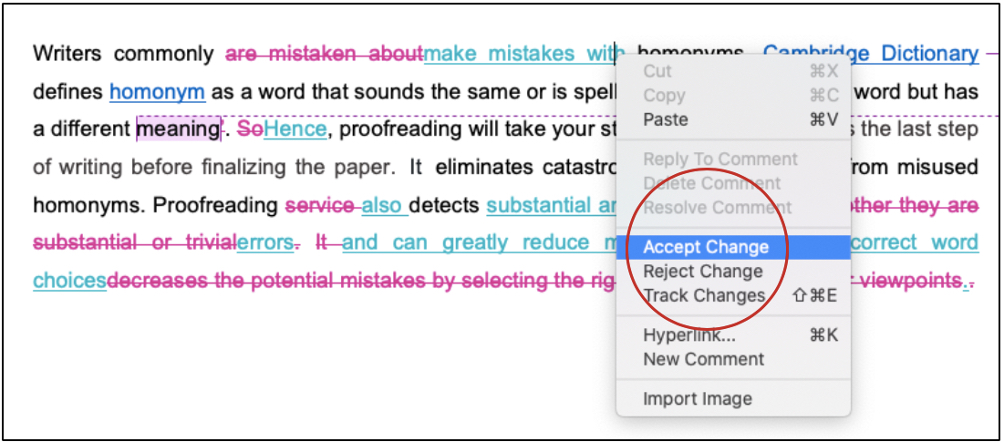
English manuscript formatting service
You can also avail of our assistance if you are looking for editors who can format your manuscript, or just check on the particular styles for the formatting task as per the guidelines provided to you, e.g., APA, MLA, or Chicago/Turabian styles. Best Edit & Proof editors and proofreaders provide all sorts of academic writing help, including editing and proofreading services, using our user-friendly website, and a streamlined ordering process.
Get a free quote for editing and proofreading now!
Visit our order page if you want our subject-area editors or language experts to work on your manuscript to improve its tone and style and give it a perfect academic tone and style through proper editing and proofreading. The process of submitting a paper is very easy and quick. Click here to find out how it works.
Our pricing is based on the type of service you avail of here, be it editing or proofreading. We charge on the basis of the word count of your manuscript that you submit for editing and proofreading and the turnaround time it takes to get it done. If you want to get an instant price quote for your project, copy and paste your document or enter your word count into our pricing calculator.

24/7 customer support | Live support
Contact us to get support with academic editing and proofreading. We have a 24/7 active live chat mode to offer you direct support along with qualified editors to refine and furbish your manuscript.

Stay tuned for updated information about editing and proofreading services!
Follow us on Twitter, LinkedIn, Facebook, Instagram, and Medium.
For more posts, click here.
This article sheds light on the essential aspects of writing a research proposal that can bear the intended fruits and gives you four essential tips to write a research proposal effectively. To give you an opportunity to practice proofreading, we have left a few spelling, punctuation, or grammatical errors in the text. See if you can spot them! If you spot the errors correctly, you will be entitled to a 10% discount.
Categories
- APA Style
- Editing & Proofreading
- Citation Styles
- Grammar Rules
- Academic Writing
- Formatting
- Plagiarism
- Editing
- Proofreading
- Microsoft Tools
- Academic Publishing
- MLA Style
- Dissertation & Thesis
- Researching
- Job & Research Application
- Statistics
- Academic Tools & Resources
Similar Posts
-
How to Determine Variability in a Dataset
14.10.2023
-
How to Determine Central Tendency
19.02.2023
-
How to Specify Study Variables in Research Papers?
14.01.2023
-
Population vs Sample | Sampling Methods for a Dissertation
14.01.2023
-
How to Ensure the Quality of Academic Writing in a Thesis and Dissertation?
04.12.2022
-
How to Avoid Anthropomorphism in Your Dissertation?
04.11.2022
-
How to Write a Research Methodology Section for a Dissertation and Thesis
07.08.2022
-
How to Write a Theoretical Framework for a Dissertation and Thesis?
05.08.2022
-
How to Write Literature Review for a Dissertation and Thesis
02.08.2022
-
How to Write a Dissertation and Thesis Introduction
31.07.2022
Recent Posts
-
How to Write an Abstract for a Qualitative Research Paper
18.05.2026
-
Abstract Keywords: How to Choose Them for Maximum Discoverability
18.05.2026
-
How to Write a Cover Letter for Journal Submission
18.05.2026
-
Cover Letter Mistakes to Avoid in Academic Applications
18.05.2026
-
Writing an Abstract in English as a Non-Native Speaker
15.05.2026
They Also Read

April 19, 2022
Writing an impactful introduction is more than just following the rules. If you search on the Internet, you may find stereotypical rules and regulations. However, it is important to understand that the author’s creative sense and ability to comprehend the topic helps in executing an effective introduction. This article discusses the major elements of writing an introduction and how you can write an impactful introduction.
Continue Reading
April 19, 2022
One of the major struggles that English speakers and writers suffer from is the different variants of American English and British English. Mistakes regarding these variants are very common that even experts get confused at times. Therefore, if you are struggling with these differences, don’t worry — you are not alone. Now, what you can do is gradually learn more about the two English variants. We assembled a comprehensive guide that highlights the basic differences between American and British English.
Continue Reading
April 19, 2022
According to the Office of Research Integrity (ORI), plagiarism is considered “both the theft or misappropriation of intellectual property and the substantial unattributed textual copying of another's work.” Since the consequences of plagiarism can be fatal, this article seeks to discuss 5 practical ways to avoid plagiarism in academic essays.
Continue Reading
April 19, 2022
Essays are a principal component of academic writing. Scholars and students need to write a plethora of essays on a recurring basis as a core requirement of their research or curricula. Depending on the writing purpose, these essays can be persuasive, narrative, descriptive, or expository. This article expounds on expository essays and suggests some helpful steps to write an expository essay.
Continue Reading
April 19, 2022
Some essays use logical and factual data to sustain their claims. They are known as argumentative essays and form a significant proportion of all essays written by scholars and students during their academic tenure. This article demonstrates how to write an argumentative essay by dividing the writing process into four detailed steps. Hence, readers looking to augment the plausibility of their argumentative texts should ensure to abide by them.
Continue Reading
April 19, 2022
The cover letter acts as the first impression that the authors or their work will have on the editor. It can be contemplated as the “sales pitch” of the conducted research and the submitted work. It, therefore, deserves meticulous attention and should never be written half-heartedly. This article discusses how to write a persuasive cover letter for journal submission and presents an easy-to-follow rubric that will help you draft an impeccable cover letter.
Continue Reading
April 19, 2022
The central tendency, mean, median, and mode depict where most data points concentrate, while variability illustrates how far they are. It is exceedingly crucial because the amount of variability demonstrates the generalization one can make from the sample to the population. Low variability is desirable because it implies that predicting information about the population using sample data is well-justified. Contrarily, high variability illustrates decreased consistency, making data predictions harder.
Continue Reading